
The Election Commission has suspended two electoral registration officers (EROs) in Pilibhit, Uttar Pradesh, for alleged irregularities in the electoral roll. The EC also directed the addition of a penal provision to an existing FIR against them and a computer operator. This action follows complaints from opposition parties about large-scale manipulation and an inquiry revealing misuse of login IDs for voter detail changes without proper documentation.

Uttar Pradesh Chief Electoral Officer Navdeep Rinwa clarified that the Election Commission's database does not store voter religion information, refuting claims of a conspiracy to target specific communities. This statement comes after Chief Minister Yogi Adityanath's remarks about "missing" Hindu voters and subsequent allegations from the Samajwadi Party. Rinwa explained that any analysis of voter religion by external parties is based on publicly available voter lists and software tools, not EC data.

Uttar Pradesh Police has initiated the process to add Section 198 of the BNS to an FIR against two electoral registration officers and a computer operator in Pilibhit. This action follows alleged irregularities in the voter list of the Pilibhit Sadar Assembly constituency, where an inquiry revealed missing application forms and identical EPIC numbers for different voters. The Election Commission had earlier suspended the officers and directed the addition of the BNS section.

Goa Forward Party chief Vijai Sardesai has alleged that Nepalese nationals were added to the state's electoral rolls during the Special Intensive Revision (SIR) and that voters were illegally shifted between constituencies. He has demanded an impartial investigation into these alleged irregularities, calling for deletion of illegal entries and action against those responsible.

The Election Commission has informed the Supreme Court that voters previously enrolled but missing from draft electoral rolls can re-apply via Form 6 without facing prosecution. This clarification aims to allay fears and ensure eligible citizens are not deprived of their right to vote, while also addressing concerns about Absent, Shifted, Dead, or Duplicate (ASDD) voters.

The Election Commission of India has introduced a mandatory declaration for new voters, requiring them to provide parental details from the Special Intensive Revision (SIR) exercise. This move, aimed at streamlining voter mapping, has sparked controversy, with some Election Commissioners deeming it "illegal" and "unauthorised" due to potential negative impacts on young voters.

Maharashtra's Chief Electoral Officer has allowed voter documents via WhatsApp for the Special Intensive Revision (SIR) exercise, with Block Level Officers (BLOs) conducting home verifications. This development comes amidst controversy surrounding the Election Commission and its Chief, Gyanesh Kumar, over alleged unilateral decisions regarding the SIR, which opposition parties claim dilute the powers of Electoral Registration Officers. The deadline for claims and objections has been extended to October 12.

India's Election Commission's centralised voter database systems, ERONET and ECINet, are under scrutiny following concerns raised by Election Commissioners Sukhbir Singh Sandhu and Vivek Joshi regarding the centralisation of electoral rolls and control available to state election officials. The article explains how these systems work and why they are currently in the news.

The Election Commission of India has announced decisions addressing concerns raised by two election commissioners, Sukhbir Singh Sandhu and Vivek Joshi, over the past 10 months. These issues included changes to voter registration forms, access to the electoral roll database, the handling of Goa's 97 voters, communications issued without full commission approval, oversight of the IT division, and appeals against voter restoration. The EC has provided responses and outlined steps to resolve these internal disputes and improve transparency and compliance.

New Jersey has a sizeable Gujarati population and this is first time that voter registration materials anywhere in the country will be available in a South Asian language.
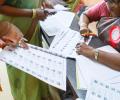
The Election Commission has launched a special drive to include eligible citizens who were omitted or deleted during the recent Special Investigative Review (SIR) exercise, as well as to register new and young voters. This initiative follows accusations from opposition parties regarding disenfranchisement and aims to ensure no eligible citizen is left out of the electoral process.

The Supreme Court will hear a batch of pleas on December 9, including one by Congress leader Rahul Gandhi and other INDIA bloc leaders, alleging widespread voter deletions and irregularities in the special intensive revision (SIR) of electoral rolls. The petitioners seek to question the Election Commission on its decision-making process, particularly regarding whether SIR decisions were collective or unilateral, and modifications to online registration systems. The EC has defended its actions, stating that decisions were unanimous and no changes were made to statutory forms.

The draft electoral roll for Uttar Pradesh, published on Tuesday, includes 13.58 crore voters, marking an increase of over 18 lakh voters since April. The revision, with January 1, 2027, as the qualifying date, aims to include new eligible citizens and remove duplicate or deceased entries. Citizens can submit claims and objections until December 16, with the final roll to be published on January 4, 2027. Special camps and online facilities are available for verification and updates.

The Election Commission has provided a fresh opportunity for voters in seven states marked as Absent, Shifted, Dead, or Duplicate (ASDD) to be included in the final electoral rolls. This decision comes amidst allegations of disenfranchisement and aims to facilitate the inclusion of electors whose enumeration forms were not returned during the Special Intensive Revision exercise.

Karnataka's final electoral roll, published on Tuesday, shows a significant reduction of nearly one crore voters following the Special Intensive Revision (SIR) process, bringing the total count to 4.55 crore from 5.54 crore.

Congress leader Rahul Gandhi and other INDIA bloc leaders have moved the Supreme Court seeking permission to submit 48 written questions to the Election Commission regarding its decision-making process for the nationwide Systemic Improvement of Electoral Rolls (SIR). The plea aims to get sworn responses from EC officials on alleged voter exclusions and changes to online registration systems, questioning the transparency and collective decision-making within the EC.
The Election Commission of India has introduced new restrictions on the number of Form 7 applications an individual can submit, both online and offline. This move aims to prevent bulk or malicious attempts to remove legitimate voters from electoral rolls and streamline the objection process, especially after reports from states like Karnataka and Odisha.

Opposition leaders from CPI-M and AAP faced detention in Delhi and Chandigarh while protesting against Chief Election Commissioner Gyanesh Kumar over serious allegations of voter-list manipulation and suppression of democratic rights.

The Election Commission has removed an additional declaration related to the Special Intensive Revision (SIR) from the online voter enrolment Form 6 in states where the SIR process is complete. This decision follows internal objections from Election Commissioners Sukhbir Singh Sandhu and Vivek Joshi regarding changes to the form and the process. The EC maintains the declaration was SIR-specific and not an amendment to Form 6 itself.

The Election Commission of India has revised instructions for the Special Intensive Revision of voter rolls, allowing voters served notices for "No Mapping" or "Logical Discrepancy" categories to avoid physical appearance. Booth Level Officers will collect documents at residences, and submissions can also be made via WhatsApp or during special camps, ensuring a more accessible process for electors.

The Bombay High Court's Goa bench has ruled that draft electoral rolls cannot be the sole basis for deleting names from voter lists, asserting that administrative software cannot supersede statutory laws. The court questioned the Election Commission of India's authority to delete voters without a hearing, highlighting concerns over the ERONET system's limitations and its potential to disenfranchise citizens.

The Chief Electoral Officer of Uttar Pradesh has strongly denied media reports alleging irregularities in the addition of 16.18 lakh voters during the Special Intensive Revision (SIR). The CEO asserted that the process was conducted with "utmost transparency" and in strict adherence to electoral laws and ECI instructions, clarifying the collection and processing of Form-6 applications.

Senior Congress leader Sonia Gandhi has filed a reply in a legal matter concerning her inclusion in the voter list, which is alleged to have occurred before she became an Indian citizen. The case, initiated by Advocate Vikas Tripathi, seeks the registration of an FIR against Gandhi and is currently pending before a sessions court.

The Election Commission on Monday defended its decision to conduct the Special Intensive Revision (SIR) of electoral rolls in the Supreme Court, saying the exercise was undertaken in accordance with the law and the three orders on its roll-out were approved unanimously by the Commission's three members.

The Election Commission of India has told the Delhi high court that two voters, whose names were deleted from the electoral rolls after they could not complete the enumeration process during the Special Intensive Revision in the national capital, can fill Form 6 for redressal of their grievance.
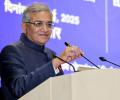
Opposition parties are planning a third attempt to move a motion for the removal of Chief Election Commissioner Gyanesh Kumar in both the Lok Sabha and Rajya Sabha. This renewed effort follows an Indian Express report highlighting objections from two other Election Commissioners regarding decisions made without their knowledge, particularly concerning voter registration and electoral roll management.
The Election Commission has announced a Special Summary Revision of electoral rolls in 17 states and Union territories, including those facing assembly polls next year. This initiative aims to enrol new voters, correct existing entries, and enhance the accuracy of voter lists, with January 1, 2027, set as the qualifying date.

Mumbai police detained 400 individuals, including Tushar Gandhi, for protesting without permission.
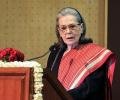
A Delhi court has revived a legal challenge concerning Congress leader Sonia Gandhi's electoral roll inclusion, quashing a magistrate's previous order and mandating a fresh, reasoned hearing on allegations of pre-citizenship voter registration.

The Election Commission has revised the schedule for the Special Intensive Revision of electoral rolls in Maharashtra, Andhra Pradesh, Haryana, Telangana, Nagaland, and Delhi, extending deadlines for claims, objections, and final publication dates following requests from chief electoral officers.

State Higher and Technical Education Minister Chandrakant Patil also said that the government will introduce four-year degree courses from June 2023 as mandated under the National Education Policy and the universities will have to implement the decision.

The Delhi Chief Electoral Officer's office has issued notices to over 33 lakh voters, including former deputy prime minister LK Advani, External Affairs Minister S Jaishankar, and former vice-president Jagdeep Dhankhar, over discrepancies in their electoral roll details. These notices are part of the Special Intensive Revision (SIR) exercise, primarily due to details not matching with the 2002 SIR. Despite concerns raised by some politicians, officials assure that no names will be deleted without due verification and an opportunity for voters to respond.

Rajya Sabha MP Raghav Chadha has accused the Aam Aadmi Party (AAP) government in Punjab of political vendetta after his name was marked as 'shifted' in the draft electoral rolls despite being registered in Mohali. The AAP has refuted the claims, stating that Chadha has been living in Delhi and was attempting to get his voter registration made in Delhi through a 'backdated process'.
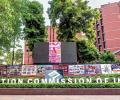
The Election Commission has clarified that its ECINet platform is decentralised, with statutory functions performed only by designated officials, not headquarters staff. This comes after concerns were raised about the centralisation of electoral roll databases. The EC also defended the legality of an additional declaration sought from new voters during the Special Intensive Revision, citing unanimous commission approval and a Supreme Court judgment.

The Supreme Court has expressed concern to the Election Commission regarding the "almost mechanical" issuance of notices under the Special Intensive Revision (SIR) exercise in Delhi, urging additional safeguards and clarification on "logical discrepancy" criteria. The court is hearing a petition challenging the EC's process, which has seen millions of voters receive notices, raising practical difficulties and concerns about potential disenfranchisement.

Jantar Mantar in New Delhi was heavily fortified with multi-layered barricades and thousands of security personnel on Saturday in anticipation of a protest by the Cockroach Janta Party (CJP). The protest targeted Chief Election Commissioner Gyanesh Kumar over allegations of voter-list tampering and bypassing colleagues to alter voter registration forms.

Three BJP allies, including LJP (Ram Vilas), TDP, and RLM, have called on the Election Commission for a clearer explanation regarding concerns raised by two Election Commissioners over the voter list revision process. Union Minister Chirag Paswan warned that public faith in elections was at stake, while the EC asserted that differing views among its members were normal and final decisions were unanimous.
Former RBI Governor Bimal Jalan, ex-IAF Chief NAK Browne, and other prominent figures in Delhi have received notices regarding discrepancies in their voter details during the ongoing Special Summary Revision (SIR) of the electoral rolls. Over 33 lakh electors have been identified for such notices, with a deadline of September 30 for responses.

Chief Election Commissioner Gyanesh Kumar is facing significant scrutiny after an investigation revealed objections from his fellow election commissioners, Sukhbir Singh Sandhu and Vivek Joshi, regarding decisions made during the Special Intensive Revision of voter lists. The objections, reportedly made at least 14 times, concerned issues like changes to voter registration forms and centralised control over electoral roll databases, intensifying criticism of Kumar's tenure and the EC's impartiality.

Around 200 people, including Tushar Gandhi's organisation members and CPI(M) supporters, were detained in Mumbai for protesting.
